




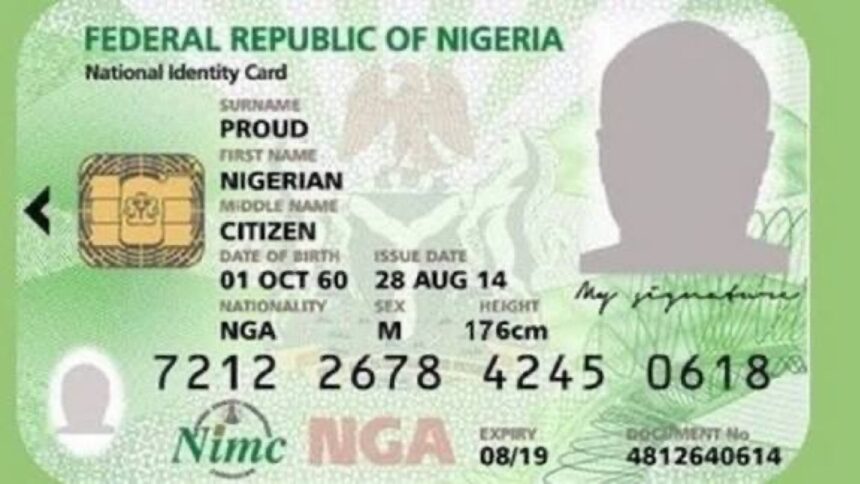
President Bola Ahmed Tinubu has disclosed that over 126 million Nigerians have been enrolled in the National Identity Database with their National Identity Numbers (NIN). Speaking at the 7th National Day of Identity organised by the National Identity Management Commission (NIMC) in Abuja, Tinubu, represented by Secretary to the Government of the Federation Senator George Akume, commended the Commission for clearing over 2.5 million backlog records in two years and arresting more than 30 individuals operating fake registration centres.
He noted that mobile and web self-service applications have processed over 500,000 record updates, while 800 mobile enrolment devices and new territorial offices have been deployed nationwide to strengthen operations. He described a reliable identity system as key to building trust in the digital economy, supporting financial inclusion, social protection, national security, and governance.
The President highlighted that the expansion of identity coverage now extends beyond Nigeria’s borders, with more than 200 diaspora centres in operation, alongside special enrolment for refugees, displaced persons, and inmates. He also pointed to the disability inclusion policy, which has trained over 5,000 enrolment agents to better serve people with disabilities.
Tinubu said the national database has been upgraded from a capacity of 100 million to 250 million records, with over 1,500 enrolment devices deployed locally. He added that 125 partner agencies have been integrated into the system, including the Immigration Service for passports, FIRS for tax records, and NHIA for healthcare, reducing duplication and improving efficiency.
He praised NIMC for prioritising staff welfare through promotions, salary adjustments, training, and modern tools, as well as establishing a customer care centre and public engagement studio. The Commission has also clamped down on illegal centres and phishing sites, maintaining ISO 27001:2022 certification for data security.
Tinubu emphasised that the NIN is now central to accessing government services, social programmes, banking, telecommunications, healthcare, and education. He said its integration helps eliminate ghost beneficiaries, ensures targeted subsidies, reduces fraud, improves revenue collection, and enhances Nigeria’s position in the global digital economy.
Source: https://thenationonlineng.net/