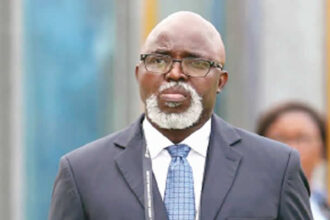





Former Super Eagles captain John Obi Mikel has urged the leadership of the Nigeria Football Federation to resign after Nigeria failed to qualify for the 2026 FIFA World Cup. The former midfielder described the outcome as a major setback for Nigerian football, noting that the Nigeria national football team will miss the global tournament for the second consecutive time.
Nigeria’s hopes of reaching the competition ended last November after a penalty shootout loss to the DR Congo national football team in the second round of African qualifying. The defeat confirmed that the three-time African champions would not feature at the tournament in North America unless an unlikely late ruling from FIFA alters the outcome.
For a country widely regarded as one of Africa’s football powerhouses, the failure has triggered strong reactions from former players and supporters across the nation. Mikel, who earned 89 caps for Nigeria and played at both the 2014 FIFA World Cup and the 2018 FIFA World Cup, admitted the disappointment is particularly painful given the country’s proud football history.
“When you have a country as big as Nigeria with such a huge population and football culture, not qualifying for the World Cup twice in a row is very painful,” he said. The former Chelsea FC midfielder was also part of the Nigerian squad that won the 2013 Africa Cup of Nations, the country’s third continental title.According to him, the repeated failures should prompt deep reflection within the federation.
Mikel argued that those responsible for running the sport must accept responsibility for the poor results and step aside to allow new leadership bring fresh ideas to rebuild the national team. “I’ve said it many times — the people running the FA should all resign,” he said.
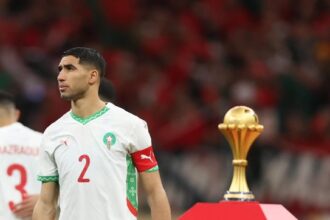
“It’s the second time we’ve failed to qualify for the World Cup, and there has to be accountability.” He also warned that Nigeria risks losing its status among Africa’s leading football nations if urgent reforms are not introduced. Mikel pointed to the progress made by the Morocco national football team as an example of how strategic planning, investment and long-term development can improve a country’s performance on the international stage.
Source: https://sportsration.com/