



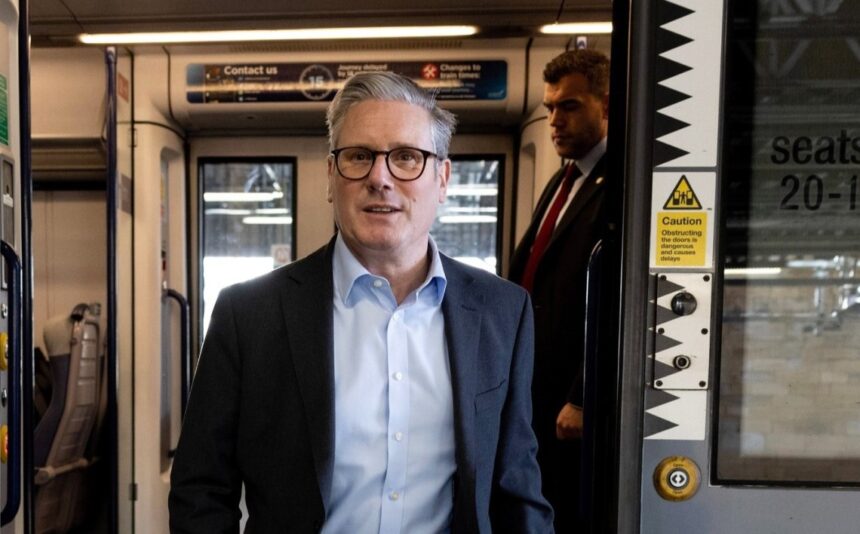
British Prime Minister Keir Starmer has announced his resignation as leader of the Labour Party, paving the way for a contest to choose both a new party leader and the country’s next prime minister. Speaking from Downing Street, Starmer said he had concluded he was no longer the best person to lead Labour into the next general election and had informed King Charles III of his decision. He said nominations for the leadership contest would open on July 9 and close before Parliament’s summer recess on July 16. If a contest is required, a new leader is expected to be in place before Parliament returns in September.
Starmer confirmed he would remain prime minister until the leadership process is completed and pledged his full support to his successor during an orderly transition of power. Widely regarded as the frontrunner to succeed him is Andy Burnham, who recently secured a major victory in the Makerfield by-election. Burnham formally announced his intention to contest the leadership race shortly after taking his seat in Parliament. His campaign received an early boost when former Health Secretary Wes Streeting endorsed his bid, despite previously being viewed as a potential rival.
Former Armed Forces Minister Al Carns, another name linked to the contest, said he had yet to decide whether to enter the race. Burnham praised Starmer’s leadership and service, while declining to speculate on whether he would call a general election if he eventually became prime minister. After being sworn in as an MP, Burnham received a warm reception from Labour MPs and is expected to deliver a major speech next week outlining his plans for economic growth while maintaining the government’s fiscal rules.
Starmer became Labour leader in April 2020 and entered Downing Street following Labour’s landslide election victory in July 2024. His departure will make him the shortest-serving Labour prime minister in British history, although his tenure exceeded those of former Conservative prime ministers Rishi Sunak and Liz Truss. In his resignation speech, an emotional Starmer reflected on his time in office and thanked his wife, Victoria Starmer, for her support. He also said he looked forward to spending more time with his family after leaving office.
Several senior Labour figures paid tribute to the outgoing prime minister. Chancellor Rachel Reeves praised his role in strengthening Britain, while former deputy leader Angela Rayner highlighted his achievements on employment rights and housing reforms. Deputy Prime Minister David Lammy described Starmer’s foreign policy record as “second to none” and commended his leadership. Reaction from opposition parties was mixed. Conservative leader Kemi Badenoch criticised Starmer’s record in office, while Liberal Democrat leader Ed Davey said the country needed more than another change of prime minister.Meanwhile, Reform UK leader Nigel Farage called for a general election, arguing that voters should decide who leads the country next.
Starmer’s resignation comes after months of growing pressure within Labour following disappointing election results, policy reversals and internal criticism over key appointments and government decisions.With nominations set to open next month, attention is now turning to whether Burnham can secure the leadership and become Britain’s next prime minister.
Source: https://www.bbc.com/