



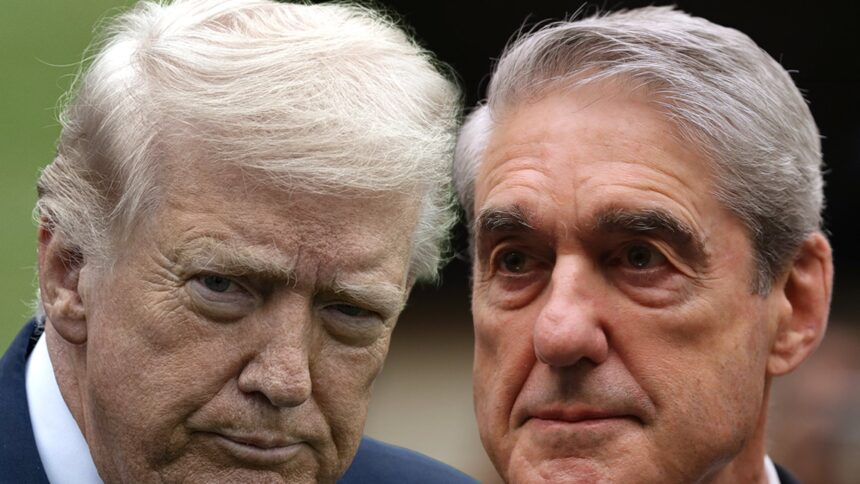
Robert S. Mueller III, the former head of the Federal Bureau of Investigation who later directed the major probe into Russia’s role in the 2016 U.S. election, has died at 81. His family confirmed his death on Friday, March 20, but did not state the cause. Mueller led the FBI for 12 years, assuming office just before the September 11 attacks. He supervised one of the bureau’s most far-reaching overhauls, redirecting priorities toward counterterrorism and intelligence as global security threats evolved. His time in charge included major structural reforms, stronger collaboration with agencies such as the Central Intelligence Agency and the National Security Agency, and broader surveillance authority introduced under post-9/11 laws.
Even during an era defined by tough security policies, Mueller’s leadership featured internal pushback on contentious practices. FBI personnel raised alarms about misconduct linked to CIA black sites and detention centres including Abu Ghraib. He also played a central role in a high-level dispute inside the U.S. government over a classified domestic surveillance initiative, joining senior Justice Department officials in threatening to resign amid constitutional concerns.After leaving office in 2013, Mueller returned to national prominence in 2017 when he was appointed special counsel following the firing of FBI director James Comey by Donald Trump. The inquiry focused on possible connections between Trump’s campaign and Russian efforts to influence the election.
Across nearly two years, Mueller’s team filed charges against several individuals, including former campaign chairman Paul Manafort, who was later jailed. Convictions or guilty pleas were also secured from key figures such as Michael Flynn and Roger Stone. Investigators also documented how Russian operatives carried out an organised disinformation effort through groups like the Internet Research Agency.
Mueller’s 2019 final report determined that Russia interfered in the election and that Trump’s campaign anticipated benefiting from those actions, but it did not prove a criminal conspiracy. Regarding obstruction of justice, Mueller wrote that while the probe did not conclude the president committed an offence, it also did not clear him.
The report triggered sharp political reactions. Then-Attorney General William Barr released a summary that critics said softened its key findings, while Trump repeatedly labelled the investigation a “witch hunt.” Mueller largely avoided public commentary, apart from limited congressional testimony and a later written statement defending his team’s work.
After news of Mueller’s passing, Trump reacted critically on social media, reflecting the long-standing friction between both men. He posted that Mueller’s death meant he could no longer harm innocent people. Outside his later roles, Mueller had an extensive history of public service. He served in the United States Marine Corps during the Vietnam War, receiving a Bronze Star for bravery and a Purple Heart after being wounded. He later gained recognition as a firm federal prosecutor, leading major cases including the investigation into the Lockerbie bombing. Mueller’s legacy is largely shaped by two defining periods: transforming the FBI after 9/11 and overseeing one of the most politically significant investigations in modern American history.
Source: https://m.lindaikejisblog.com/