



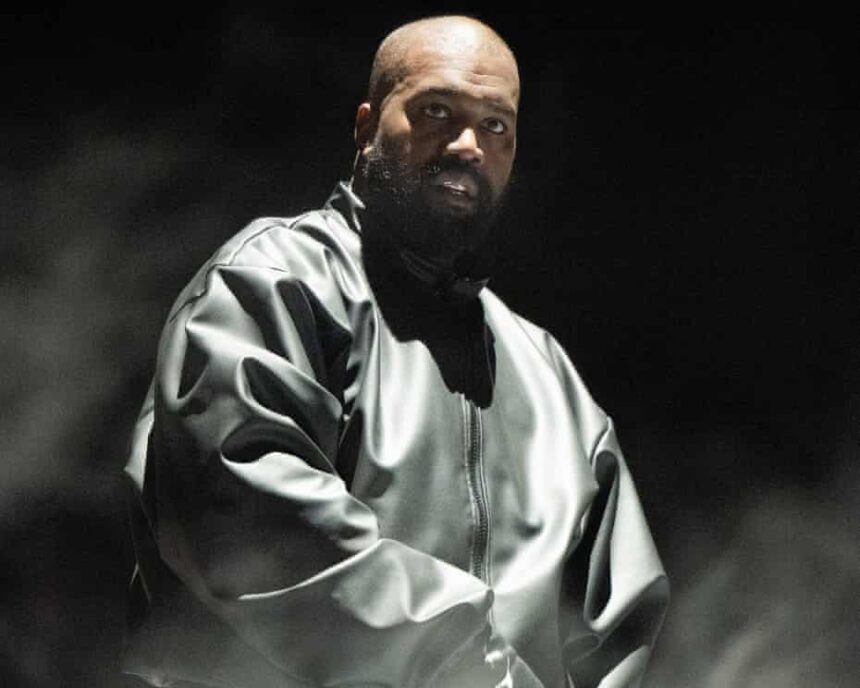
The Wireless Music Festival has been called off after the artist formerly known as Kanye West was denied entry into the UK, following growing political tension over his past antisemitic remarks. Ye, as he is now legally known, had been scheduled to headline all three days of the July event. He applied for entry through an electronic travel authorisation (ETA) on Monday, but officials blocked the request. Festival organisers later confirmed the cancellation and announced that all ticket holders would receive refunds.
In a statement released on Tuesday, organisers said the UK Home Office had revoked Ye’s travel approval, effectively preventing his entry. As a result, the festival will no longer take place. They added that consultations had been carried out before booking him, with no initial concerns raised. However, they acknowledged the seriousness of antisemitism and its impact, noting Ye’s own admission that words alone are insufficient, despite his willingness to engage with the UK Jewish community.
Reports indicate that although his travel application was initially approved, it was later withdrawn by ministers who concluded that his presence would not serve the public interest. The rapper has faced backlash for several antisemitic comments, including expressing admiration for Adolf Hitler. He also released a controversial track titled “Heil Hitler” last year and promoted a swastika-branded T-shirt on his website. Earlier this year, he issued a public apology in a Wall Street Journal advertisement, attributing his behaviour to bipolar disorder, and recently stated he is open to dialogue with Jewish groups in the UK.
Criticism of the festival booking intensified over the weekend, with UK Prime Minister Keir Starmer describing the decision as “deeply concerning” given Ye’s past statements and perceived endorsement of extremist views. The ban has left organisers scrambling to fill three headline slots with only three months’ notice. Their format of relying on a single top-tier act for consecutive days has made finding a replacement particularly difficult, especially as many artists have already finalised their summer schedules.
Melvin Benn, managing director of Festival Republic, had earlier stated that Ye’s role was strictly as a performer, not a platform for expressing personal views. However, the situation quickly escalated, drawing attention from government officials. Downing Street confirmed that Ye’s entry status had been under review, emphasising that such decisions are handled individually based on legal and security considerations. Authorities reiterated their stance against allowing individuals who may pose risks to public safety or promote extremist ideologies.
Phil Rosenberg, president of the Board of Deputies of British Jews, welcomed the decision but noted that it should have been addressed sooner. He stressed that music festivals should remain inclusive spaces, not platforms for individuals associated with hateful or discriminatory views. Ye now joins a list of American public figures who have previously faced entry bans into the UK. Rapper Snoop Dogg was denied entry in 2007 following an incident at Heathrow Airport but was allowed back the following year. Television personality Martha Stewart was also barred due to her legal conviction in the US, while Tyler, the Creator faced a four-year ban starting in 2015 over lyrics deemed to promote violence and intolerance.
Source: https://www.theguardian.com/