




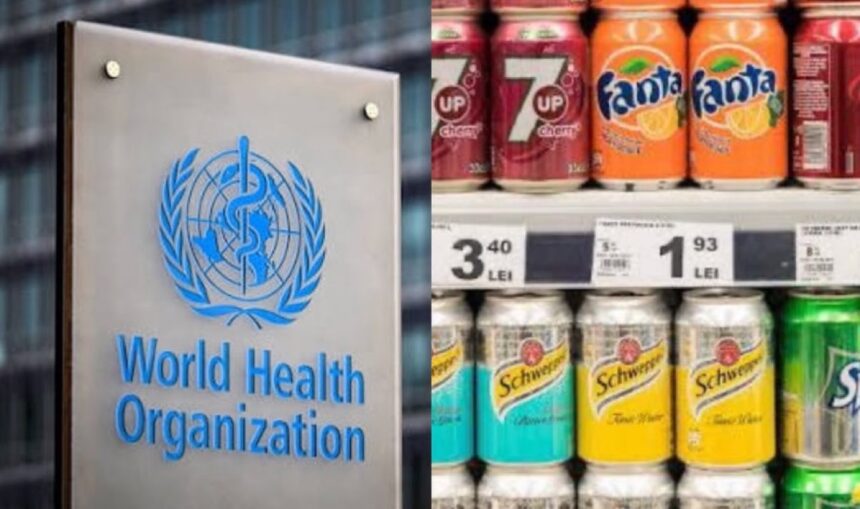
The World Health Organisation (WHO) has urged governments to sharply increase taxes on sugary drinks and alcohol, warning that the easy affordability of these products is driving preventable deaths around the world. In a statement announcing the release of two new global reports, the organisation said weak tax systems have allowed harmful products to remain cheap, even as health systems face growing pressure from preventable non-communicable diseases and injuries. WHO Director-General Tedros Ghebreyesus said health taxes are among the most effective tools for protecting public health.
“By increasing taxes on products like tobacco, sugary drinks, and alcohol, governments can reduce harmful consumption and unlock funds for vital health services,” he said. Sugary drinks and alcoholic beverages are becoming more affordable in many countries because of consistently low tax rates. This trend has been linked to rising cases of non-communicable diseases such as obesity, diabetes, cardiovascular disease, cancers and injuries, especially among children and young adults.
The new reports show that at least 116 countries currently tax sugar-sweetened beverages, but many high-sugar products remain untaxed. These include sodas, other carbonated drinks, 100 per cent fruit juices, sweetened milk drinks, and ready-to-drink coffees and teas. Although 97 per cent of countries tax energy drinks, this figure has remained unchanged since the last global report in 2023. WHO warned that regular consumption of these beverages, often marketed as harmless refreshments, can lead to serious health problems such as excess weight, obesity, Type 2 diabetes, tooth decay and osteoporosis.
Alcohol taxation is also uneven. At least 167 countries tax alcoholic beverages, while 12 ban alcohol entirely. Despite this, alcohol has become more affordable or stayed the same price in most countries since 2022, as excise duties have not kept up with inflation and rising incomes. Globally, median excise rates are low, at 14 per cent for beer and 22.5 per cent for spirits. Taxes on sugary drinks are also weak and poorly targeted, often applying to only some products. On average, these taxes make up about 2 per cent of the price of a typical soda.
The reports also found that few governments adjust taxes for inflation, allowing unhealthy products to become steadily more affordable over time. WHO stressed that health taxes are one of the most effective ways to reduce harmful consumption while generating revenue for public services. Speaking to journalists, Mr Ghebreyesus said such taxes can help prevent disease, ease pressure on health systems, and provide funding for health, education and social protection. Etienne Krug, Director of WHO’s Department of Health Determinants, Promotion and Prevention, noted that cheaper alcohol contributes to violence, injuries and disease, while the public bears the health and economic costs and the industry makes profits.
WHO called on countries to raise and redesign taxes under its new “3 by 35” initiative, which aims to increase the real prices of tobacco, alcohol and sugary drinks by 2035 to make them less affordable and protect public health. To show the impact of health taxes, Mr Ghebreyesus cited the United Kingdom’s sugar levy introduced in 2018. He said it reduced sugar consumption, generated an extra £338 million in revenue in 2024, and helped lower obesity rates among girls aged 10 and 11, especially in poorer communities.
WHO’s call comes as concern grows over rising non-communicable diseases in Nigeria, including diabetes, hypertension, obesity and heart-related illnesses. Public health experts have linked these trends to unhealthy diets and increased consumption of sugar-sweetened beverages. Civil society groups have warned that Nigeria’s current fiscal measures are not strong enough. The Corporate Accountability and Public Participation Africa (CAPPA) has criticised the N10-per-litre excise duty on sugary drinks, describing it as too low to reduce consumption or influence manufacturers’ behaviour.
CAPPA has urged the federal government to raise the tax to at least N130 per litre to discourage consumption and generate funds for healthcare and prevention programmes. Other health organisations have also called for a minimum 20 per cent excise tax on sugary drinks, arguing that stronger measures are needed to reduce preventable diseases and improve national health outcomes. The push for higher taxes has reached the legislature, with the Nigerian Senate recently holding a public hearing on a proposed amendment to increase the sugar-sweetened beverage excise tax. Supporters say the change could improve public health and boost government revenue for the health sector.