




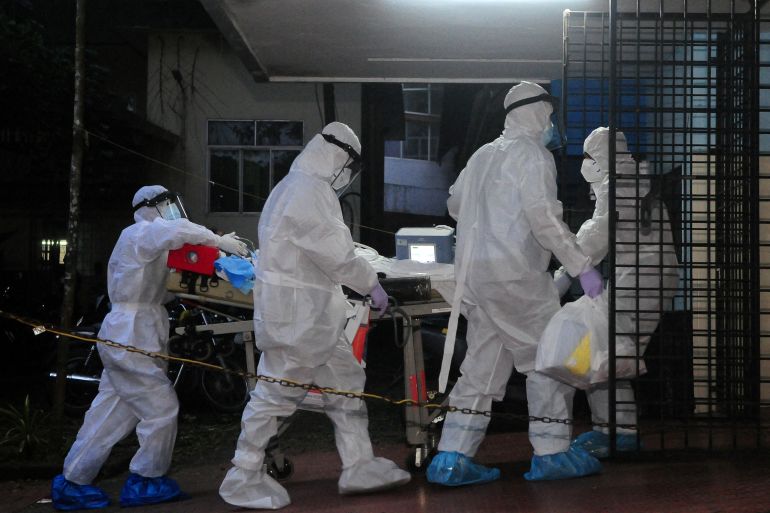
Airports across Asia have been placed on high alert after India reported two cases of the deadly Nipah virus in West Bengal over the past month.Thailand, Nepal and Vietnam are among the countries stepping up airport screenings amid concerns of a wider outbreak. The Indian Ministry of Health confirmed the two cases since December, noting that the virus was contained in a timely manner. Nearly 200 close contacts of the patients were tested, and no further infections have been reported.
WHAT IS NIPAH VIRUS?
Nipah virus is primarily transmitted from animals, such as pigs and fruit bats, to humans through direct contact or exposure to their secretions. The virus has an incubation period of four to 14 days, with early symptoms including high fever, nausea, vomiting and respiratory issues. Severe cases can progress to pneumonia and cause dangerous brain swelling, resulting in neurological symptoms such as drowsiness and seizures.
The virus is highly contagious between humans and has no vaccine, making it a high-risk pathogen for potential epidemics, according to the World Health Organization. Its fatality rate ranges between 40 and 75 percent, significantly higher than Covid-19. Nipah was first identified in 1998 among pig farmers in Malaysia, where it killed more than 100 people. Subsequent outbreaks have been reported nearly every year across Asia, including in India, Bangladesh, the Philippines, Singapore and Malaysia. In Bangladesh, the virus has been linked to the harvesting of raw date palm sap, which can be contaminated by fruit bats. In India, the first recorded case was in West Bengal in 2001. Kerala has experienced notable outbreaks, including at least 17 deaths in 2018 and two in 2023.
The current cases in West Bengal are significant, as they mark the first detections in the state since 2007. Indian health authorities said enhanced surveillance, laboratory testing, and field investigations ensured timely containment. They stressed that no more than two cases have been detected and that the situation remains under constant monitoring, with all necessary public health measures in place.
In response, several countries have increased precautionary measures. Thailand, Vietnam and Indonesia have introduced additional screenings, including temperature checks and health declarations for passengers arriving from India. Myanmar advised against nonessential travel to West Bengal, while China has strengthened disease prevention measures in border areas. Indian authorities also dismissed reports of a surge in cases as “speculative and incorrect.”
Source: https://www.theguardian.com/