



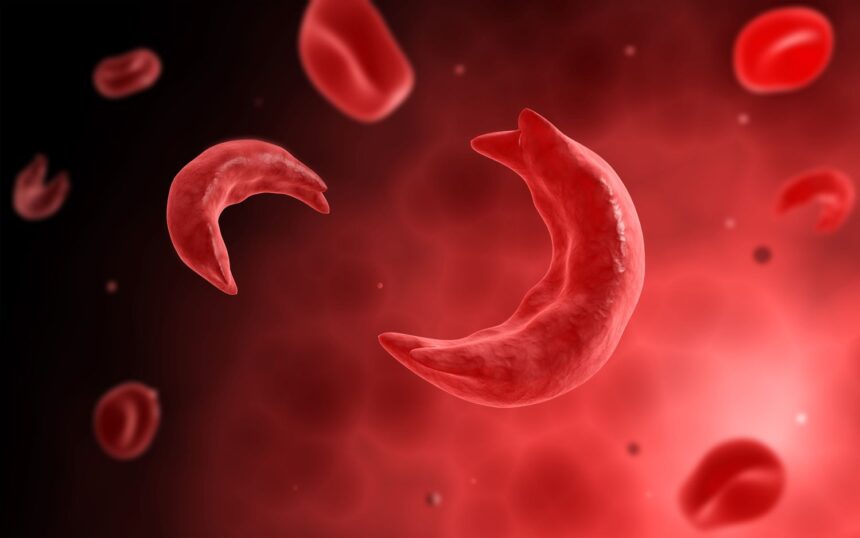
As the world commemorates World Sickle Cell Day on June 19, health experts say Nigeria continues to bear one of the highest burdens of sickle cell disease despite decades of public awareness campaigns promoting genotype testing and informed marriage decisions. According to the Federal Ministry of Health and Social Welfare, about 150,000 babies are born with sickle cell disease in Nigeria each year, making the country one of the largest contributors to the global burden of the condition.
While genotype awareness has become widespread in schools, religious centres and healthcare facilities, experts argue that awareness alone has not translated into improved diagnosis, treatment or quality of life for those already living with the disease.Speaking to PT Health Watch, medical professionals identified major gaps in Nigeria’s response, including poor newborn screening programmes, limited access to treatment, underfunded primary healthcare services and persistent misconceptions surrounding the condition.
Medical doctor Happiness Akinde noted that public conversations often focus on preventing new cases through genotype compatibility while overlooking the needs of millions already living with sickle cell disease.She stressed that education remains important but is not enough to prevent painful crises, which can be triggered by infections, dehydration, stress, inadequate sleep and other health challenges.
According to her, reducing the frequency of crises requires a combination of patient education, preventive treatment, accessible healthcare services and strong social support systems. Dr Akinde added that greater attention should be given to hydration, infection prevention, medication adherence, nutrition, mental health support, routine screenings and early detection of complications.
She also highlighted the financial burden many patients face, noting that families often struggle to afford medications, laboratory tests and transportation to healthcare facilities. Limited health insurance coverage and long distances to hospitals further complicate access to care. “Effective management requires more than personal responsibility. It requires a healthcare system that supports patients consistently,” she said.
Experts also raised concerns over the limited availability and affordability of essential medications, including folic acid, antibiotics, pain-relieving drugs and hydroxyurea, a widely recommended treatment that helps reduce disease complications. As a result, many patients only seek medical attention when complications become severe rather than benefiting from preventive care.
Dr Akinde further explained that weaknesses in the healthcare system contribute to poor outcomes, particularly at the primary healthcare level, where inadequate training can lead to delayed diagnoses, poor follow-up care and ineffective pain management. She noted that some healthcare providers underestimate the severity of sickle cell pain, leading to delays in emergency treatment. The expert also pointed to persistent myths surrounding the disease, including the belief that crises occur solely because of poor self-care or that people living with sickle cell disease cannot lead successful lives.
Stigma, disbelief of patients’ pain and reliance on traditional remedies instead of timely hospital care also continue to worsen outcomes. Health experts say reducing the burden of sickle cell disease will require stronger genotype counselling before conception, nationwide newborn screening programmes and improved primary healthcare services that provide continuous patient support and caregiver education.
They also advocate expanded access to affordable medications, better-trained healthcare workers and universal access to emergency care. Both experts agreed that sickle cell disease should no longer be treated as a neglected condition but recognised as a major public health priority requiring sustained investment, stronger policies and improved healthcare access . This year’s World Sickle Cell Day theme, “Closing the Survival Gap: Equity in Sickle Cell Disease,” calls for greater action to improve awareness, treatment and support for people living with the condition while advancing efforts to achieve better health outcomes.
Source: https://www.premiumtimesng.com/