




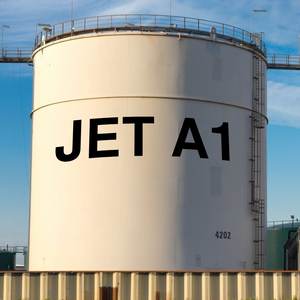
Jet fuel shortage disrupts flights nationwide as airlines, handlers clash over debtsAir travellers across Nigeria are experiencing mounting disruptions as a worsening shortage of aviation fuel, commonly known as Jet A1, continues to affect flight operations, leading to delays, cancellations and growing uncertainty at major airports.
Airlines say the persistent scarcity is making it difficult to maintain schedules, with several flights delayed, rescheduled or cancelled at short notice. The situation has intensified in recent days, leaving hundreds of passengers stranded and forcing many to rethink travel plans. The crisis is further complicated by tensions between airlines and ground handling firms, which have threatened to withdraw services over debts exceeding N9 billion. The warning comes from the Aviation Ground Handlers Association of Nigeria, whose members provide critical services such as passenger check-in, baggage handling and ramp operations.
Operators also report that the price of Jet A1 has surged by more than 300 per cent since disruptions linked to the Strait of Hormuz, a key global fuel route, further straining operations. Under the umbrella of the Airline Operators of Nigeria, airlines had earlier considered shutting down operations but suspended the move after intervention by the Federal Ministry of Aviation and Aerospace Development. Although meetings with stakeholders and oil marketers have been held, no immediate solution has emerged.
One outcome from the discussions was a proposed 30 per cent discount on debts owed to service providers, while airlines continue to push for a full waiver of obligations to agencies such as the Federal Airports Authority of Nigeria, Nigeria Civil Aviation Authority and Nigerian Airspace Management Agency. The combined impact of fuel scarcity and rising costs is placing severe pressure on an already expensive operating environment. At airports in Lagos, Abuja and other key routes, passengers now face extended waiting times and frequent schedule changes, with some flights adjusted multiple times in a single day.
Airlines have also begun cutting back operations to cope with limited resources. For example, Air Peace has reduced its London-Heathrow service frequency in response to the shortage. Meanwhile, the standoff with ground handlers threatens to escalate further. In a formal notice, the association warned that its members could suspend services if outstanding debts are not settled within the stipulated timeframe, a move that could significantly disrupt both domestic and international operations.
Aviation analyst Fred Chukwuelobe cautioned against blaming individual airlines for the situation, stressing that the crisis reflects broader global challenges. He noted that international carriers such as Lufthansa and Turkish Airlines have also faced similar pressures, adjusting schedules and capacity due to fuel supply constraints and rising costs. He urged stakeholders to focus on long-term solutions, including improving local refining capacity, strengthening supply chains and creating a more stable operating environment for the aviation sector.
Source: https://dailytrust.com/