




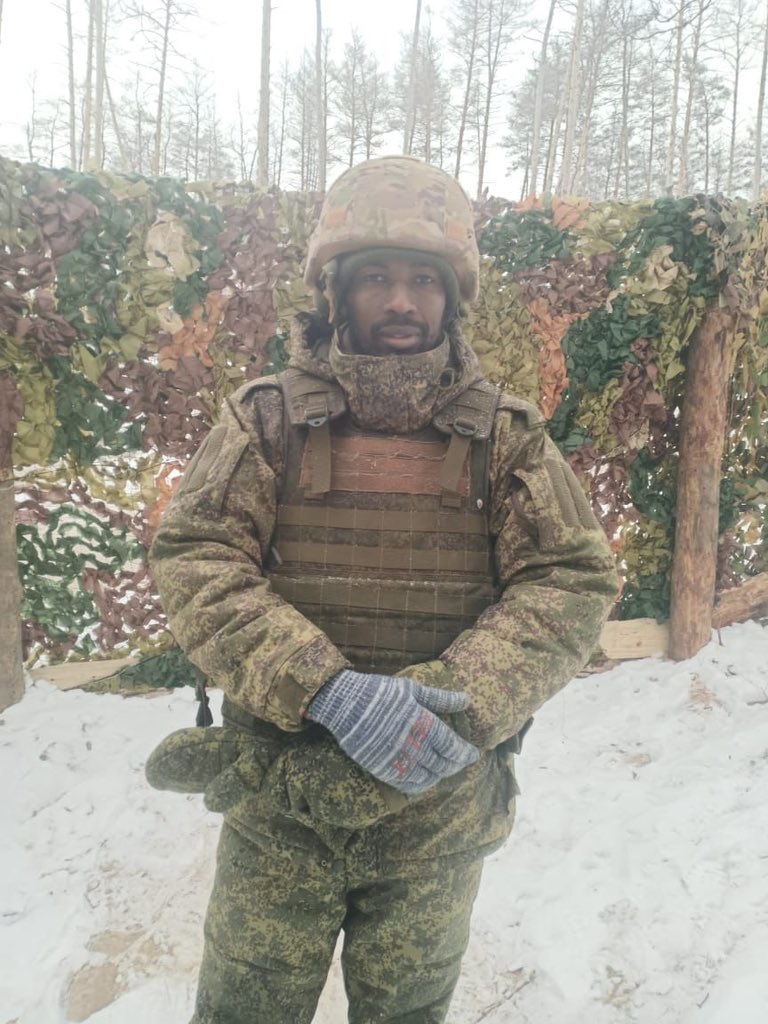
A Nigerian citizen, Abubakar Adamu, has appealed to the Nigerian government for urgent repatriation after claiming he was lured to Russia under the pretense of civilian employment and forced into military service. According to his legal representatives, Adamu traveled to Moscow on a tourist visa issued by the Russian Embassy, with the promise of working as a civilian security guard. Upon arrival, his travel documents were reportedly confiscated, and he was made to sign enlistment papers written entirely in Russian, without access to an interpreter, only to later learn that the documents had enrolled him in the Russian Armed Forces.
A formal notice submitted to Nigerian authorities cited legal doctrines including Non Est Factum, arguing that Adamu did not understand the nature of the contract he signed, and alleged fundamental misrepresentation, claiming he was deceived into military service. His lawyers also highlighted potential violations of international law, including forced conscription and deprivation of personal freedom.
Adamu is reportedly stranded at a Russian military camp, refusing deployment to combat zones in Ukraine, and is seeking immediate intervention from the Nigerian government for safe repatriation and reunification with his family. The allegations come amid broader reports of African nationals being conscripted into the Russian military. A CNN investigation indicated that Nigerians, along with citizens from Ghana, Kenya, Uganda, South Africa, and other countries, were allegedly recruited under promises of high salaries, signing bonuses, and eventual Russian citizenship. Upon arrival, many were forced into military service, given minimal training, and in some cases deployed to combat zones against their will. Reports also describe instances of racial abuse, inhumane treatment, and coercion.
Ukraine’s Foreign Minister, Andrii Sybiha, disclosed last year that over 1,400 citizens from 36 African countries are reportedly fighting for Russia in Ukraine, with many held as prisoners of war. Kenya’s Ministry of Foreign and Diaspora Affairs has similarly reported that over 200 of its nationals may be in Ukraine, deceived by online recruitment networks advertising fake jobs. The human cost of these recruitment efforts remains largely unknown. The number of Nigerians who may have died while serving in Russian forces is unclear, and Russia has not formally addressed reports of Nigerian casualties.
Speaking at a press conference in Abuja, the Russian Ambassador to Nigeria denied that the recruitment was state-sponsored, stating, “There is no government-backed programme to recruit Nigerians to fight in Ukraine. If illegal organisations or individuals are involved, they are acting outside the law and without connection to the Russian state.” He added that Russia would investigate reported cases if provided with concrete evidence.
Legal experts, including Zagazola, warned that the case highlights serious risks for Nigerian citizens traveling abroad for employment and emphasized the need for stronger government oversight, diplomatic intervention, and public awareness to prevent exploitation. Adamu’s legal team has formally demanded that Russian authorities immediately stop his military deployment, return his confiscated travel documents, and facilitate his repatriation to Nigeria.
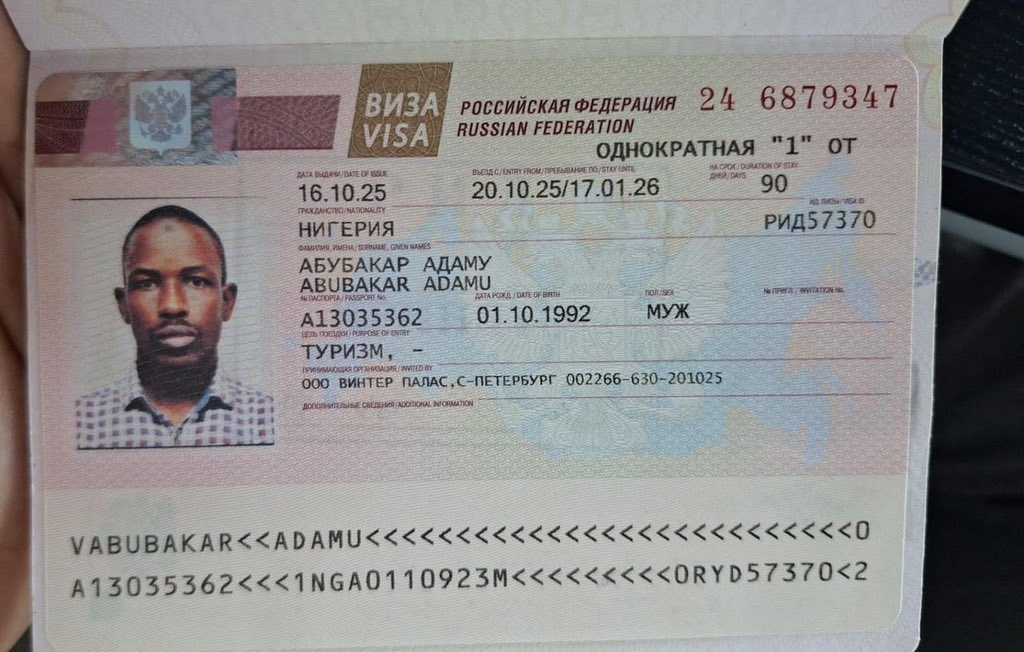
The Nigerian Ministry of Foreign Affairs has not yet commented on Adamu’s appeal, prompting calls from families and civil society groups for urgent diplomatic action. The incident underscores the need to protect Nigerian citizens abroad, monitor foreign employment schemes, and uphold international human rights obligations to prevent further coercive recruitment and life-threatening situations for nationals overseas.
Source : https://zagazola.org/