



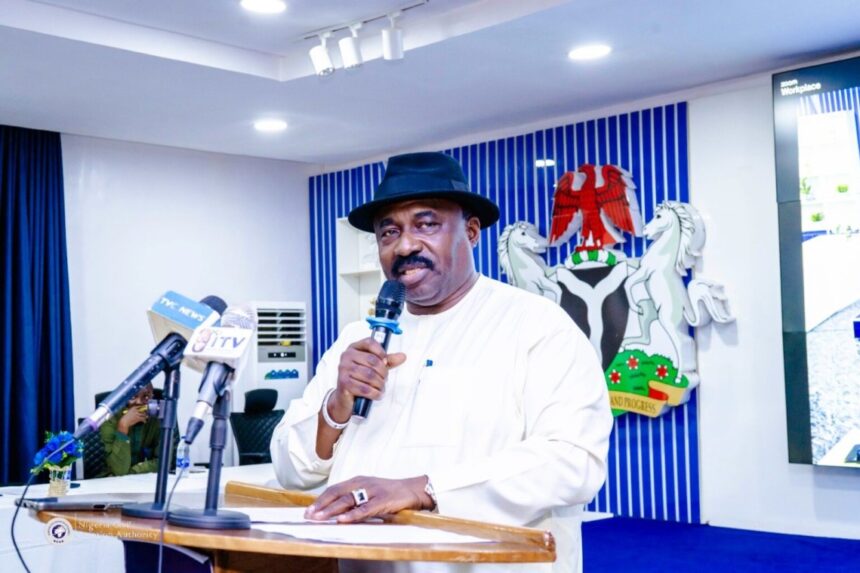
The Nigerian Civil Aviation Authority (NCAA) has suspended its earlier “no-pay, no-service” directive imposed on domestic airlines over unpaid statutory remittances owed to the regulator. The decision was announced on Sunday evening in a statement issued by the Director-General of Civil Aviation, Chris Najomo. The suspension came barely two days after the NCAA instructed its departments and regional offices to withhold services from 11 domestic airlines over outstanding financial obligations.
The earlier directive was contained in an internal memo dated May 22 and signed by the Director of Finance and Accounts, Olufemi Odukoya, directing all NCAA offices to place the affected operators on a “no-pay-no-service” arrangement pending financial clearance. Airlines affected by the directive included Air Peace, Ibom Air, Arik Air, United Nigeria Airlines, Max Air, Rano Air, NG Eagle, ValueJet, Overland Airways, Umza Air and Caverton Helicopters.
The directive had sparked concerns within the aviation sector over its possible impact on airline operations, especially as operators continue to grapple with rising aviation fuel prices, foreign exchange pressures, and other operational challenges. Under the arrangement, the affected airlines risked losing access to certain regulatory services until their debts were settled.
In its latest statement, however, the NCAA said enforcement of the directive had been temporarily suspended after consultations with stakeholders and a review of current realities within the aviation industry. According to the authority, the decision was influenced by the increasing cost of Jet A1 aviation fuel and the need to maintain operational stability across the sector.
The NCAA clarified that the suspension does not amount to a cancellation or waiver of the outstanding debts owed by the airlines. The regulator also referenced the Federal Government’s earlier intervention approving a 30 per cent discount on some charges owed by domestic carriers to aviation agencies, including the NCAA, as part of efforts to cushion the effect of rising fuel costs. The authority further explained that airlines are still required to remit statutory charges collected from passengers through ticket and cargo sales, noting that the five per cent Ticket and Cargo Sales Charge is backed by law and does not form part of airline revenue.
According to the NCAA, funds generated through these statutory charges remain essential for carrying out regulatory oversight responsibilities within the aviation sector. The authority added that it would continue engaging the affected airlines individually to recover outstanding debts while ensuring stability in airline operations. In recent months, several domestic carriers have struggled with rising operating expenses, maintenance challenges, and increasing aviation fuel prices, resulting in flight disruptions, route suspensions, and mounting financial pressure across the industry.
Source: https://www.premiumtimesng.com/