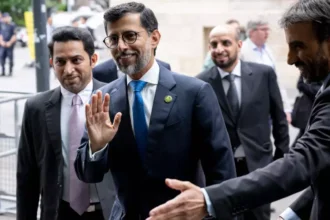




The United Nations has revealed that some weapons looted during Libya’s 2011 conflict later found their way into the hands of extremist groups operating in Nigeria and other parts of the Sahel region. The disclosure was made by UN Under-Secretary-General and High Representative for Disarmament Affairs, Izumi Nakamitsu, during a meeting at the UN Headquarters in New York focused on tackling the global spread of illicit firearms.
Nakamitsu lamented that weapons used in conflicts often continue to fuel violence long after wars have ended, causing instability in previously peaceful communities. She pointed to Libya as an example, noting that arms looted or diverted during and after the 2011 conflict that ended the rule of Muammar Gaddafi later surfaced across the wider Sahel, including in Niger, Burkina Faso and Nigeria.
According to her, some of those weapons were eventually recovered from extremist groups, highlighting how arms from one conflict can continue to destabilise neighbouring countries years later. She stressed that the end of a conflict does not necessarily halt the circulation of weapons, as many remain in circulation and continue to pose security threats.
The UN official warned that the proliferation of small arms across sub-Saharan Africa continues to undermine peacebuilding efforts, with weapons retained by armed groups, militias and communities often contributing to renewed violence. She also linked illicit arms trafficking to human rights violations, terrorism, and sexual and gender-based violence, describing the issue as one that affects security, peacebuilding, human rights and development.
Nakamitsu noted that weapons frequently remain in circulation long after conflicts disappear from global headlines, crossing borders, fuelling crime and weakening fragile peace processes. She further expressed concern over emerging threats such as ghost guns, 3D-printed firearms and increasingly sophisticated trafficking networks, which make tracing illegal weapons more difficult.
The UN highlighted ongoing international efforts to curb illicit arms flows, including the 2001 Programme of Action and the 2005 International Tracing Instrument, both aimed at strengthening legislation, improving stockpile security, combating illegal trafficking and enhancing cross-border cooperation. According to the organisation, these frameworks help authorities trace the origins of illicit weapons, prevent diversion from legal stockpiles and support governments through technical assistance, policy guidance and capacity-building initiatives.