




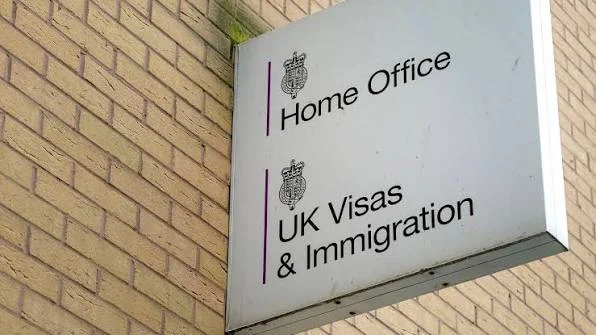
The British government has introduced a major restructuring of its immigration policies, bringing forward extensive modifications that tighten visa protocols, expand deportation authority, and alter the frameworks for work, study, and family migration. These updates, detailed in the Statement of Changes HC 259 presented to Parliament on July 9, 2026, revise forty-two sections of the Immigration Rules. The new measures apply broadly to employers, academic institutions, sponsored individuals, and migrants.
A primary highlight of the update involves the expansion of deportation criteria. Under the new guidelines, foreign nationals convicted on or after March 22, 2026, who receive suspended prison terms of a year or longer will face the same deportation procedures as those handed immediate jail time. Additionally, the package establishes a legal requirement for the Home Secretary to re-evaluate immigration rules every five years.
This review must prove that the administrative demands placed on companies, schools, or community groups are necessary and cannot be achieved through less restrictive methods. The thirty-eight-page document removes previous policy discrepancies by installing standardized language across the vast majority of visa categories.
The implementation of these adjustments follows a multi-stage timeline:
- On July 30, 2026, the updates specifically governing Appendix EU and Appendix EU (Family Permit) will take legal effect.
- On August 3, 2026, all other remaining modifications will become active.
- A grace period is included for applicants, meaning any submission for entry clearance, an Electronic Travel Authorisation, permission to enter or stay, or an administrative review made prior to August 3, 2026, will be evaluated under the previous rules.
The fundamental structural modifications are divided into several key areas:
1.Standardized Rules on Overstaying and Immigration Bail : The Home Office has replaced localized compliance language with a singular, uniform standard across thirty different appendices. The identical text states that individuals applying for permission to stay must not be violating immigration laws or on immigration bail, except where specific overstayer exceptions apply. This change removes previous ambiguities across primary visa categories, including:
Employment and Talent pathways like Skilled Worker, Global Business Mobility, Scale-Up, Start-Up, Innovator Founder, Representative of an Overseas Business, T2 Minister of Religion, Government Authorised Exchange, and Global Talent.
Academic and Short-Term pathways such as Student, Child Student, Parent of a Child Student, Graduate, Visitor, and the Youth Mobility Scheme.
Permanent Residence and Family pathways including Long Residence, Private Life, Adult Dependent Relative, and Settlement Family Life. A few specific variations remain. For the Hong Kong British National (Overseas) pathway, immigration bail is only overlooked if the applicant was placed on bail following an asylum claim inside the country. For Appendix ECAA, the restrictions apply strictly to actions taking place after late evening on December 31, 2020.
2. Criminal Background Rules Applied to Suspended Sentences
The public interest rules regarding deportation have been updated. For individuals convicted on or after March 22, 2026, receiving a suspended or custodial sentence of twelve months or more makes deportation mandatory, unless very specific family life exceptions or human rights violations are proven. Furthermore, the phrase “or suspended” has been added alongside custodial sentences within the Electronic Travel Authorisation and Child Student pathways, allowing officials to deny travel clearance on identical grounds.
3. Streamlining Asylum Choices by Skipping Interviews
Revisions to the process grant the government explicit authority to skip the personal interview phase under certain conditions. This applies if the applicant is a Swiss national or from the European Economic Area, or if officials can determine straight from the initial paperwork that the claim lacks any legal foundation. The updated rule explicitly clarifies that bypassing the interview does not block a final decision, allowing officials to issue either an approval or a denial based on the documents provided.
4. Adjustments to Business and Technical Visa Pathways
For the Skilled Worker visa, updates alter how upcoming salary thresholds for 2027 and 2028 are verified. Instead of assessing whether the application date falls before the deadline, officials will check if the application references a Certificate of Sponsorship issued by the employer prior to the cutoff date.
Within the Scale-Up pathway, the definition of statutory leave has been updated to include neonatal leave, ensuring that absences related to neonatal care do not negatively impact calculations for continuous employment.
For family visas under Appendix FM, new child safety clauses state that accommodation and care arrangements for a child inside the country must fully align with domestic child protection laws. Finally, the visitor visa rules have introduced an administrative exemption specifically for Indian nationals who hold valid diplomatic passports issued by India.
Source: https://punchng.com/