



The Economic Community of West African States (ECOWAS) has reaffirmed its intention to launch its long-anticipated single regional currency, the ECO, in 2027. The bloc highlighted the move as a major stride toward driving deeper economic integration, boosting cross-border trade, and spurring sustainable growth across the region. This commitment stood out as a central takeaway from the 69th Ordinary Session of the ECOWAS Authority of Heads of State and Government, which took place on Sunday in Lungi, Sierra Leone, under the leadership of Sierra Leonean President Julius Maada Bio.
In an official statement released on Tuesday following the summit, regional leaders noted that West African economies have remained resilient against global financial pressures. They projected a positive economic forecast for 2026, driven by easing inflation, reduced public debt ratios, and expanding current account surpluses, though high fiscal deficits continue to pose a challenge. Addressing the currency initiative directly, the Authority reiterated its dedicated commitment to rolling out the ECO in 2027, describing it as a vital mechanism for advancing integration and securing resilient, inclusive economic progress throughout the community.
The statement explained that the ECO will initially be rolled out in nations that satisfy the established macroeconomic convergence targets, while member states that fall short will receive targeted assistance to help them join at a later date. The assembly acknowledged the successful registration of the “ECO” name with the African Intellectual Property Organisation and instructed the ECOWAS Commission to secure trademark protection with additional regional and international IP authorities.
Turning to regional safety, the leaders voiced grave concern over deteriorating security across the Sahel and Lake Chad Basin. They strongly denounced ongoing violent attacks by militant groups and approved an updated plan to operationalize the ECOWAS Counterterrorism Brigade, aiming for full operational capability by July 2027. Member nations were urged to settle their outstanding Community Levy dues, which are specifically allocated to finance the regional anti-terrorism force. The official statement issued a sharp condemnation of the rising frequency of banditry, mass abductions, and school kidnappings, particularly within Northern Nigeria.
The regional body extended its solidarity to the citizens of Nigeria and praised President Bola Ahmed Tinubu for taking rapid action to secure the release of abducted victims and implementing measures to tackle the threat. The leaders also drew attention to worsening humanitarian conditions caused by armed conflict, terrorism, mass displacement, climate disasters, and severe food shortages. They directed the Commission to step up fundraising efforts and coordinate humanitarian relief, including supporting the voluntary repatriation of migrants from North Africa.
Regarding relations with the breakaway Alliance of Sahel States, ECOWAS extended the mandate of its chief negotiator, Dr. Lansana Kouyaté, through December 2026, firmly reiterating that dialogue with Burkina Faso, Mali, and Niger will proceed strictly with the three nations as a single negotiating bloc. The summit raised alarm over growing food insecurity and escalating fertilizer costs that threaten regional agricultural output. The leaders commended member states for taking steps to buffer the impact of the fertilizer crisis and called for accelerated action on the ECOWAS Rice Agenda and Regional Rice Roadmap to cut down on expensive food imports and bolster regional food self-sufficiency.
The Authority reaffirmed its dedication to the ECOWAS Protocol on Free Movement of Persons, Right of Residence and Establishment, underscoring the necessity of protecting regional mobility, enabling cross-border commerce, and deepening economic ties. It added that ongoing discussions with the Alliance of Sahel States must safeguard the free movement of people and trade. ECOWAS forcefully condemned persistent xenophobic attacks targeted at African migrants in South Africa, particularly those from West Africa, calling on South African authorities to protect foreign citizens and resolve the systemic issue. The bloc also endorsed Ghana’s proposal to table the matter before the African Union Assembly.
On commercial policy, the assembly warned that a rise in independent bilateral trade deals signed by individual member states threatens to undermine the ECOWAS Customs Union, ordering the Commission to unify and present cohesive regional positions during international trade negotiations. To boost the region’s overall competitiveness, the leaders instructed the Commission to design investment-ready infrastructure initiatives spanning transport, power, digital networks, and water systems capable of attracting capital from international financial institutions and private investors.
The leaders welcomed the execution of the Inter-Governmental Agreement for the African Atlantic Gas Pipeline, hailing it as a transformative initiative designed to enhance energy security, foster industrialization, improve connectivity, and deepen economic integration. They also commended the close partnership between ECOWAS member nations and the Kingdom of Morocco in moving the pipeline project forward.In aviation, ECOWAS reaffirmed its goal to lower air travel tariffs across West Africa, praising Côte d’Ivoire as the sole member state to completely eliminate applicable aviation taxes and calling on other countries to speed up similar tax reforms. The body also urged development finance institutions to support regional airport and aviation infrastructure investments.
The summit formally endorsed key digital policy updates, including the Revised Supplementary Act on the Protection of Personal Data and frameworks covering cybersecurity, electronic governance, digital communications, and open data, alongside the establishment of a Regional Cybersecurity Coordination Mechanism.Furthermore, the assembly adopted the Presidential Declaration on Advancing Gender Parity in Political Representation, encouraging member nations to implement stronger policies that expand women’s active participation in political life and public leadership.
On overall stability, ECOWAS acknowledged strides in democratic governance while remaining deeply concerned by ongoing threats from terrorism, political volatility, and humanitarian emergencies throughout the region. The leaders urged the transitional leadership in Guinea-Bissau to conduct transparent, inclusive constitutional and electoral processes, uphold human rights, release political detainees, and work toward fully restoring constitutional order, appointing Senegal as an official facilitator to support national dialogue. The assembly commended the peaceful conduct of recent democratic elections in Benin, Guinea, Cabo Verde, and Côte d’Ivoire, directing the Commission to maintain its support for member states organizing elections later this year and into early 2027.
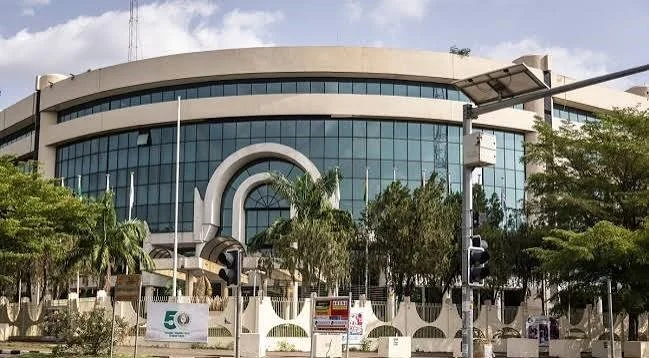
The leaders expressed gratitude to international development partners for supporting regional integration and offered special praise to China for constructing and donating the new ECOWAS headquarters in Abuja, describing the gesture as a historic milestone of solidarity and international friendship. The summit ratified appointments across key ECOWAS organs, granted Nigeria’s request for an additional two weeks to resolve internal selections regarding its assigned Vice-President position, and appointed Senegal’s General Birame Diop as President of the ECOWAS Commission for the 2026–2030 term.Finally, the Authority endorsed Sierra Leone’s candidacy for a seat on the International Court of Justice for the 2027–2036 term and elected Senegalese President Bassirou Diomaye Faye to serve a one-year term as the new Chairman of the ECOWAS Authority of Heads of State and Government.
Source: https://punchng.com/